About SS-SIG
The South Sudan School on Internet Governance (SS-SIG) is a national capacity-building initiative established in 2019 by the South Sudan IGF Secretariat and reinstated in 2025 by the Internet Society South Sudan Chapter. The programme is designed to strengthen knowledge, skills, and participation in internet governance processes across South Sudan.
As the country advances in its digital transformation journey, there is an increasing need for professionals, policymakers, students, civil society actors, and technical experts who understand how the internet works, how it is governed, and how digital policy decisions shape development, rights, innovation, and security.
SS-SIG responds to this need by building a national community of informed and engaged stakeholders equipped to contribute meaningfully at national, regional, and global levels.

Why SS-SIG Matters
The internet plays a critical role in economic growth, governance, communication, and innovation. However, effective participation in shaping its future requires a strong understanding of its technical, policy, legal, and socio-economic dimensions.
SS-SIG supports this by developing a new generation of leaders and practitioners who can actively engage in internet governance discussions and processes, including the South Sudan Internet Governance Forum (SS-IGF).
Objectives of SS-SIG
The programme aims to:
- Build national capacity on internet governance principles and practices
- Promote multistakeholder participation in digital policy dialogue
- Strengthen understanding of cybersecurity, digital rights, and online safety
- Support youth and women participation in internet governance leadership
- Improve awareness of emerging technologies such as Artificial Intelligence (AI), IoT, and digital economy trends
- Create a pipeline of future SS-IGF contributors, moderators, speakers, and policy advocates
- Support South Sudan’s engagement in regional and global IGF processes
Training Approach
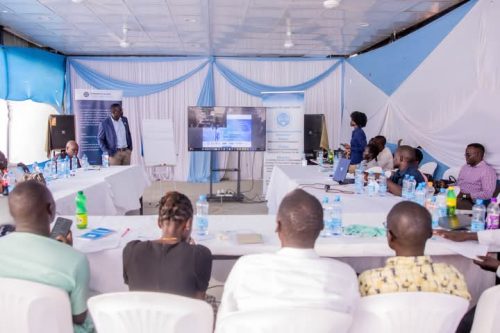
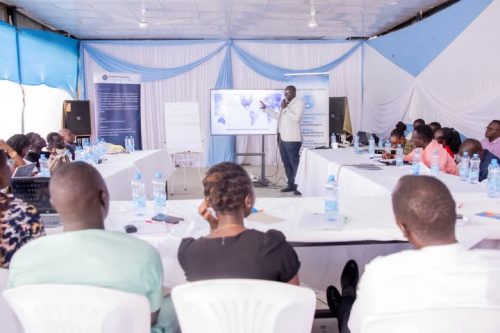
SS-SIG uses an interactive and practical learning model that includes:
- Expert presentations and guided discussions
- Case studies and group work
- Practical policy and governance exercises
- Stakeholder mapping and simulation sessions
- Fellowship-style participation and mentorship
- Networking opportunities and peer collaboration
Key Thematic Areas Covered
Participants gain knowledge and skills across a wide range of topics, including:
- Introduction to Internet Governance and the IGF ecosystem
- Internet infrastructure, DNS, and technical community roles
- Digital policy development and regulatory frameworks
- Cybersecurity and national cyber resilience
- Data protection and privacy
- Digital rights and online freedoms
- Child Online Protection (COP)
- Digital inclusion and universal access
- Emerging technologies (AI, IoT, Blockchain)
- Digital economy, fintech, and e-governance
- Multistakeholder engagement and digital cooperation
SS-SIG Fellowship Programme
Participation in SS-SIG is offered through a competitive fellowship programme. Applicants are selected through an open, transparent, and merit-based process.
What Fellows Receive
- Structured training sessions
- Learning materials and resources
- Participation certificates
- Opportunities to engage in SS-IGF and related initiatives
- Networking with national and regional stakeholders
Who Can Apply
The programme is open to participants from diverse stakeholder groups, including:
- Government institutions and regulatory agencies
- ICT operators and private sector organizations
- Civil society organizations and advocacy groups
- Media and communications professionals
- Universities, academia, and researchers
- Youth groups, students, and innovators
- Technical experts and internet professionals
- Women-led organizations and inclusion-focused institutions
Selection Criteria
Selection prioritizes:
- Demonstrated interest in internet governance or digital policy
- Completion of online Internet Governance courses from the ISOC Learning Portal
- Multistakeholder representation
- Gender balance, including persons with disabilities
- Youth inclusion
- Regional diversity across the three regions of South Sudan
A total of 30 fellows are selected to ensure meaningful participation and interaction.

Call for Applications
The call for applications is publicly announced through:
- ISOC South Sudan Chapter website
- SS-IGF Secretariat website
- Social media platforms
- Partner organizations, universities, and government institutions
Application Timeline
- Call for registration: 27 April 2026 – 08 May 2026
- Notification and selection: 11 May 2026 – 15 May 2026
- Training delivery: 20 May 2026 – 22 May 2026
Venue: Scenius Hub, Juba
How to Apply
Applicants must complete the online application form available on the website during the application period and submit all required information.
Applicants who have completed ISOC online courses are strongly encouraged to indicate this in their application.
Note: Successful applicants will be contacted via email.
Our Core Values
Multistakeholder Participation
We believe the internet should be shaped by all stakeholders, including government, private sector, civil society, academia, the technical community, youth, and women.
Inclusion and Diversity
We are committed to gender balance, youth inclusion, participation of persons with disabilities, and regional representation across South Sudan.
Transparency and Merit
Participants are selected through a fair, open, and merit-based process.
Capacity Building
We prioritize practical knowledge and leadership development to enable meaningful participation.
Collaboration and Dialogue
We promote partnerships and cooperation to strengthen digital development.
Digital Rights and Development
We support an open, secure, inclusive, and accessible internet that advances innovation, protects human rights, and contributes to national development.